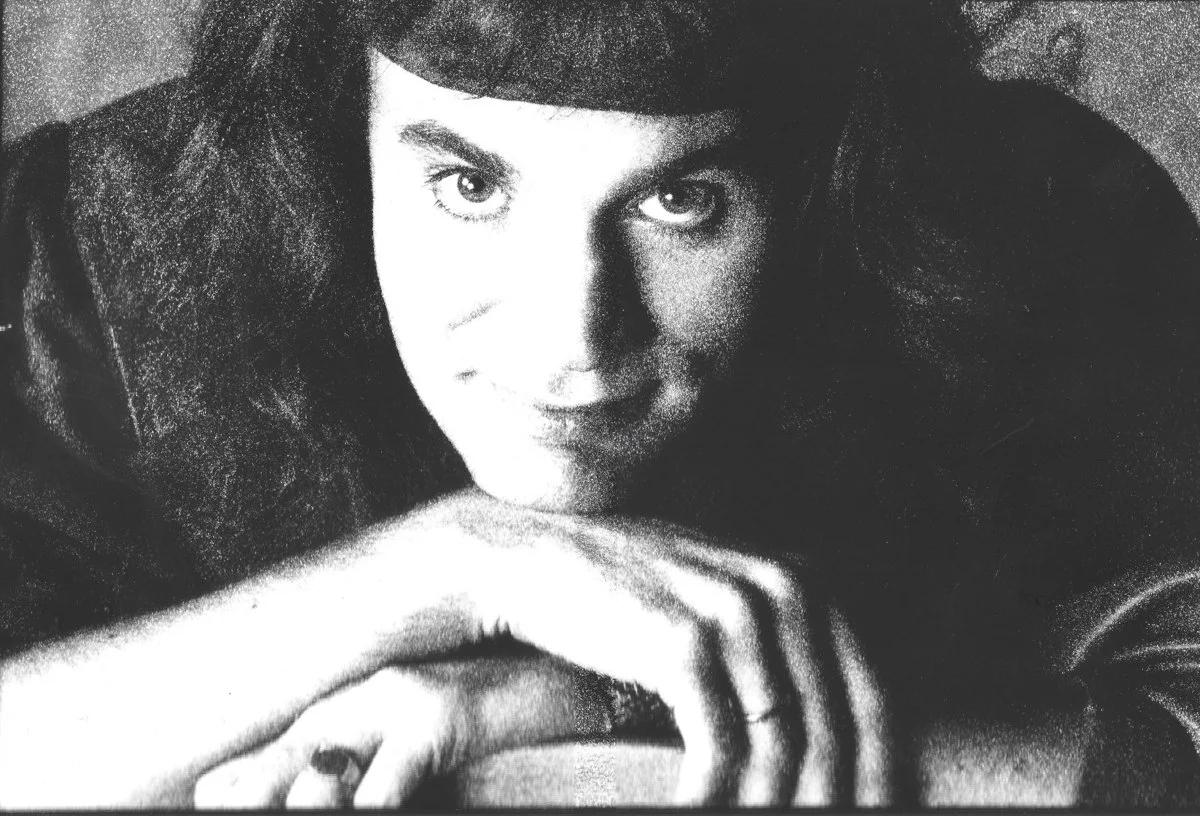
ZENO · THE RECORDING YEARS
Behind the Scenes.
A look back at the creation of the 1986 ZENO album
When an album is still being listened to after four decades, it is rarely because everything in the studio went smoothly and according to a perfect plan. It is usually because of the friction during the recording process—the very normal tug-of-war between two sides pushing for the best possible result.
The original setup was a tight, well-established unit: Jochen (Zeno) Roth and bassist Ule Ritgen. The two had been childhood friends, started their musical journey together from scratch, and shared a clear, unified vision. And then I came into the picture.
To be completely honest, in the beginning, I was probably a necessary evil to them. I was the singer who could deliver the songs the way they envisioned them. The plan was entirely pragmatic: I was supposed to lay down vocals for a five-song demo. With those recordings in hand, Jochen and Ule planned to fly to England to look for a permanent frontman for their project.
But fate had other ideas for us. As soon as the demo was finished, something completely unexpected happened: without ever having stood on a stage together as a live band, record labels showed immense interest. That single demo led directly to a major international record deal. Overnight, the temporary studio singer became the voice that would form the foundation of the album.
From that moment on, the studio turned into a delicate psychological arena. Jochen arrived as a composer with an unyielding vision. At times, he probably would have preferred me to be his pure "loudspeaker"—the medium to deliver his finished melodies onto tape exactly and undisturbed.
But studio work is never a one-way street. Jochen was observant and possessed the instincts of a creative sponge. When I stood in front of the microphone, it wasn't just about using my god-given vocal tone. I shaped the vocal lines, the phrasing, and the interpretation of the lyrics the way I felt was right. Jochen welcomed these impulses. More than once, it happened that he absorbed my vocal twists, wove them seamlessly into the overall mix, and in the end—with an understandable artistic pride—declared the result to be his vision, planned that way from the very start.